




Supreme Court Moves the Case Forward
“Justice finds its meaning when courts ensure fairness for every citizen.”
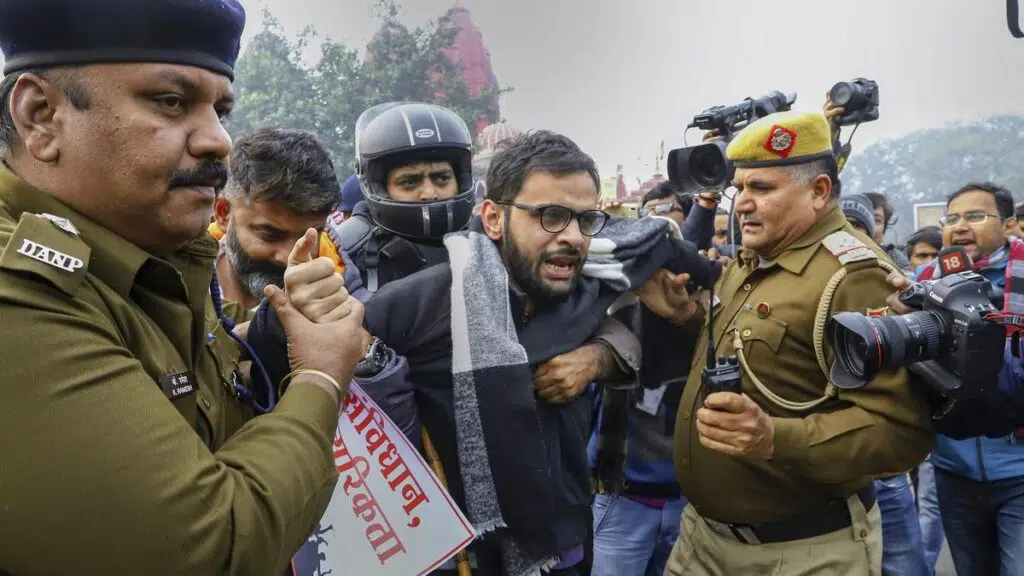
The Supreme Court issued a notice to Delhi Police, addressing bail pleas filed by Umar Khalid, Sharjeel Imam, Meeran Haider, Gulfisha Fatima, and Shifa Ur Rehman. This Delhi riots hearing marks a fresh turn in the legal battle that continues to draw the nation’s attention. Inside the courtroom, lawyers highlighted bail delays while activists and families hoped for relief before Diwali.
Delhi riots bail plea hearings often trigger debates about freedom and the meaning of law. The accused have faced charges under the Unlawful Activities (Prevention) Act and the Indian Penal Code. Umar Khalid and Sharjeel Imam, two key figures, have spent over five years in custody. Their prolonged detention underlines the urgency in Supreme Court bail updates and reflects the larger struggle around dissent and justice in India.
Details From the Latest Supreme Court Session
Delhi riots case hearings often bring forward new arguments from both sides. On Monday, Justices Aravind Kumar and NV Anjaria called for responses from Delhi Police. Senior advocates Kapil Sibal and Abhishek Manu Singhvi argued for quick bail hearings. Sibal stated courts should decide the matter before Diwali. The bench fixed October 7 for the next important step in this case.
Delhi High Court earlier rejected bail for these activists and students. The judges claimed speeches and protests allegedly contributed to a grave conspiracy. Meanwhile, defense lawyers pushed back, saying students remain behind bars far too long without trial. Sharjeel Imam and Umar Khalid face accusations of inciting violence, though their lawyers insist on their constitutional rights.
What Delhi Police and Courts Say
Police argue the incident was not a spontaneous clash but a planned conspiracy. During the Delhi riots hearing, officials said inflammatory speeches mobilized crowds. They blame key accused for fanning unrest during protests against the Citizenship Amendment Act in 2020.
Courts weighed the evidence and concluded that roles played were severe. This reasoning led the Delhi High Court to deny initial bail pleas for the accused. Still, defense teams urge the Supreme Court to review the facts. They point out most accused have languished in jail since 2020, facing trials under UAPA and IPC provisions.
Timeline and Key Facts of the Case
The North East Delhi riots erupted in February 2020. Protesters took to the streets against the CAA and NRC. Authorities say violence left 53 dead and over 700 injured. The case that the Supreme Court now hears links each accused to this sequence of violence.
Umar Khalid entered police custody in September 2020. Courts charged him with rioting, conspiracy, and unlawful assembly. Sharjeel Imam faced multiple FIRs, some in different states, mostly related to sedition and UAPA. Many of these accused approached various courts for bail, often without success.
Human Impact and Response From Advocates
Defense lawyers repeatedly say students have suffered years of jail time without justice. Kapil Sibal and Singhvi pressed the Supreme Court to respect civil rights, emphasizing both urgency and fairness. Families and fellow activists describe hope and anxiety as bail hearings draw near.
Legal experts watching the Delhi riots case hearing warn against letting anti-terror laws stifle voices of protest. The courtroom drama now enters another crucial stage, as October 7 brings a chance for the accused to seek freedom.
Awaiting the Next Hearing
Supporters and critics alike now wait for the Supreme Court’s next move. Lawyers and activists plan their arguments for October 7. This court session could define future legal standards for protests and civil rights in India.