




New Delhi, October 7, 2025: The Supreme Court delivered a sharp rebuke to political leaders on Monday, October 6, 2025. Furthermore, the apex court emphasized that courtrooms should not become battlegrounds for political disputes. Chief Justice BR Gavai’s bench sent a clear message about keeping politics out of judicial proceedings.
The controversy centers around Congress MLA Mathew Kuzhalnadan’s petition. Additionally, his plea sought a probe against Kerala Chief Minister Pinarayi Vijayan’s daughter. Moreover, the Supreme Court firmly rejected this attempt to involve judiciary in political battles.
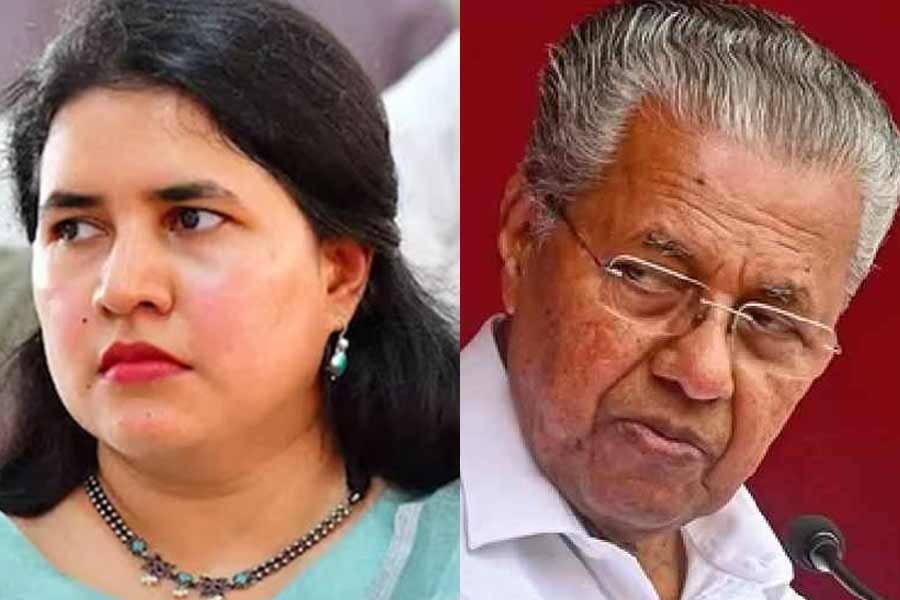
Court’s Unambiguous Stand Against Political Litigation
The Chief Justice made his position crystal clear from the outset. “We have been consistently saying, fight your political battles before the electorate and not in the court,” stated CJI Gavai. Justice K Vinod Chandran echoed similar sentiments throughout the proceedings.
Senior Advocate Guru Krishna Kumar represented the petitioner’s case. However, his arguments failed to convince the bench. The court maintained that political disputes belong in electoral arenas, not judicial forums.
The CMRL Controversy Explained
The case revolves around alleged financial irregularities involving CMRL. Specifically, Cochin Minerals and Rutile Limited allegedly paid money to Veena Vijayan’s firm. The controversy stems from accusations of payments without corresponding services.
Kuzhalnadan highlighted three undisputed facts during the hearing. First, a contract existed between CMRL and Exalogic Solutions. Second, the company received Rs 1.72 crore from CMRL. Third, CMRL admitted before the Income Tax Settlement Board that no services were rendered.
Nevertheless, the Supreme Court refused to interfere with lower court findings. Both the Vigilance Court and Kerala High Court had previously rejected similar pleas.
Judicial Hierarchy Upholds Consistent Decisions
The Kerala High Court had dismissed Kuzhalnadan’s petition on March 28, 2025. Justice K Babu observed that the petitioner failed to present sufficient evidence. Furthermore, the court noted that suspicions alone cannot constitute grounds for investigation.
“The High Court says this creates suspicion but also says that the complaint at the pre-cognizance stage must be such that it must be proven facts,” Kumar argued before the Supreme Court.indianexpress
However, the apex court remained unmoved by these arguments. Instead, the bench emphasized the importance of maintaining judicial boundaries. Political battles must be fought where they belong – before voters.
Opposition’s Persistent Allegations
Congress leaders have continuously raised questions about the CMRL-Exalogic transactions. They allege that monthly payments were made to secure favors from the Chief Minister. Additionally, opposition parties claim this represents a clear case of corruption.
Mathew Kuzhalnadan approached multiple judicial forums seeking investigation. Initially, he petitioned the Vigilance Court in Thiruvananthapuram. Subsequently, he moved to the Kerala High Court after the lower court’s rejection. Finally, he reached the Supreme Court seeking intervention.
The MLA maintains that his fight for justice will continue. Despite the Supreme Court’s rejection, Kuzhalnadan vowed to pursue the matter through proper channels.
SFIO Investigation Continues Separately
Meanwhile, the Serious Fraud Investigation Office has been conducting its own probe. The SFIO has filed charges against Veena Vijayan under the Companies Act. Moreover, the Union Ministry of Corporate Affairs granted prosecution sanction in April 2025.
The investigation allegedly uncovered fraudulent transactions worth Rs 2.70 crore. Additionally, SFIO claims to have identified a larger fraud involving Rs 182 crore within CMRL itself. These findings suggest systematic financial irregularities beyond the initial allegations.youtube
Legal Experts’ Analysis
Constitutional lawyers interpret the Supreme Court’s stance as significant. The judiciary seeks to maintain clear boundaries between legal and political spheres. Furthermore, courts want to avoid becoming platforms for electoral battles.
“Don’t use the Court’s forum for political battle,” the Chief Justice emphasized during proceedings.indianexpress
This approach reflects growing judicial concern about politicization of court proceedings. Several recent cases have seen similar warnings from the Supreme Court. The court clearly wants to focus on legal merit rather than political implications.
Government’s Defense Strategy
Kerala government officials maintain their innocence throughout the controversy. Law Minister P Rajeev described the allegations as politically motivated. Additionally, he pointed to multiple court dismissals as vindication of their position.
The Chief Minister’s office has consistently denied any wrongdoing. They argue that all transactions followed proper legal procedures. Moreover, they claim that payments were made for legitimate IT services rendered by Exalogic Solutions.
Veena Vijayan herself has filed detailed affidavits defending her company’s operations. She maintains that Exalogic operated independently without her father’s involvement. Furthermore, she argues that all financial transactions were transparent and traceable.
Political Implications for Kerala
The controversy continues to generate significant political heat in Kerala. Opposition parties use the allegations as ammunition against the ruling CPI(M). However, the Supreme Court’s dismissal provides some relief to the government.
BJP and Congress leaders demanded the Chief Minister’s resignation following SFIO charges. They argue that corruption allegations require immediate action. Nevertheless, the court’s stance suggests that such demands should be addressed through electoral processes.youtube
The ruling party describes the entire controversy as a targeted campaign. They claim central agencies are being misused for political purposes. Additionally, they point to the timing of investigations as suspicious.
Broader Constitutional Questions
The case raises important questions about separation of powers. Courts must balance their oversight role with respect for electoral mandates. Furthermore, they need to distinguish between genuine legal issues and political disputes.
The Supreme Court’s message resonates beyond this specific case. Political parties increasingly approach courts to settle electoral battles. However, the judiciary wants to maintain its constitutional role without becoming a political arena.
Legal scholars note the importance of this judicial stance. Courts should focus on law rather than politics. Moreover, they must protect their independence from partisan influences.
Way Forward
The Supreme Court’s decision effectively closes one avenue for the petitioners. However, other investigations continue through appropriate channels. The SFIO probe remains active with prosecution proceedings underway.
Political battles will continue in Kerala’s electoral landscape. The controversy will likely influence upcoming elections significantly. Furthermore, voters will ultimately decide the fate of those involved.
Meanwhile, the judiciary has sent a clear message about its boundaries. Courts will not become substitutes for electoral processes. Political accountability must come through democratic means rather than judicial intervention.
The Kerala case serves as a precedent for future political litigation. Courts will likely cite this decision when facing similar attempts to politicize judicial proceedings. Therefore, political leaders must find alternative ways to address their grievances.