




Kashmiri leaders claim house arrest following the death of separatist leader Abdul Gani Bhat. This development sparks fresh tensions in Jammu and Kashmir. Prominent figures like Mehbooba Mufti, Mirwaiz Umar Farooq, and Sajad Lone voice their frustrations. They say authorities restrict their movements to block condolence visits. Such actions highlight ongoing political unrest in the region. Moreover, these claims raise questions about freedom and democracy.
Who Was Abdul Gani Bhat?
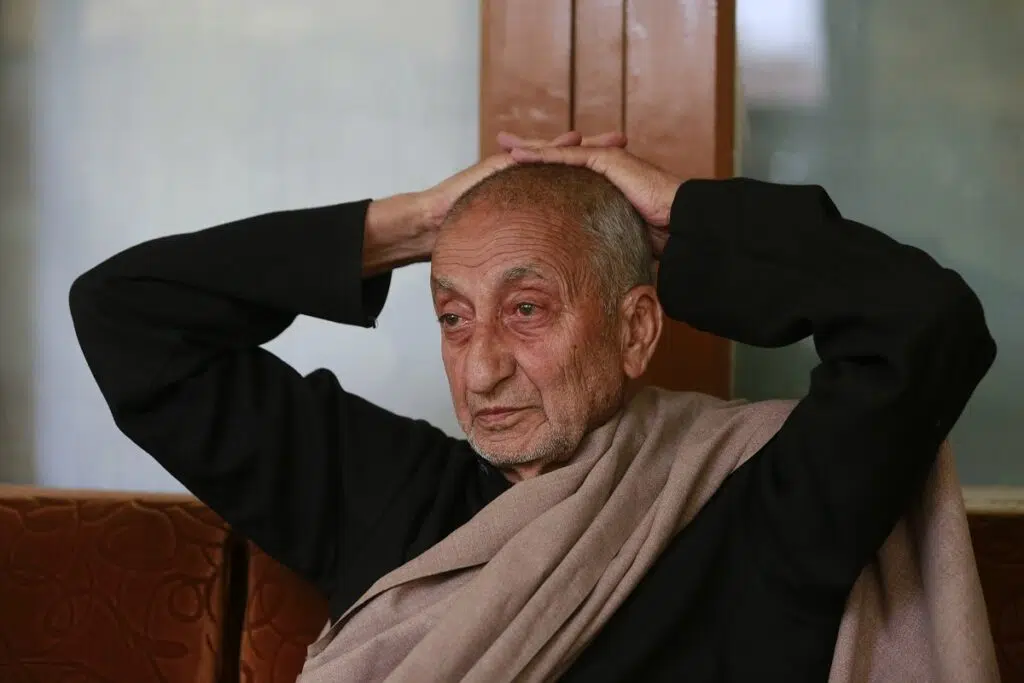
Abdul Gani Bhat left a lasting mark on Kashmir’s political scene. He served as a former chairman of the Hurriyat Conference. Bhat advocated for dialogue and peace during turbulent times. At 90, he passed away at his home in Botengo village, Sopore. His death came after a long illness. Many remember him as a candid voice in separatist circles.
Furthermore, Bhat pushed for reconciliation between conflicting parties. He often spoke openly about Kashmir’s challenges. His pacifist stance earned respect from various groups. However, controversies followed him throughout his career. Despite that, his influence remained strong in local politics.
Transitioning to recent events, his passing triggers immediate responses. Authorities act swiftly, leading to claims of restrictions. This situation raises questions about freedom in the valley. Consequently, it fuels debates on governance.
Leaders’ Claims of House Arrest
Mehbooba Mufti leads the chorus of complaints. She asserts that officials placed her under house arrest. This prevents her from traveling to Sopore for condolences. Mufti calls it a stark display of undemocratic practices. She links this to broader issues in Jammu and Kashmir. Additionally, her words resonate widely.
In her words, “The decision to place the political leadership under house arrest today, simply to stop us from visiting Sopore to offer condolences on the demise of Professor Abdul Gani Bhat, lays bare the harsh and undemocratic reality in Jammu and Kashmir.” Her statement resonates with many observers. Moreover, she references a recent incident at Hazratbal Dargah.
That event saw public anger erupt spontaneously. Mufti describes it as a message from people pushed to their limits. She accuses certain political forces of ignoring this distress. Instead, they exploit unrest for gains elsewhere. This approach, she says, endangers peace efforts. Therefore, it highlights deeper problems.
Mirwaiz Umar Farooq’s Response
Mirwaiz Umar Farooq shares similar sentiments. As Hurriyat’s current chairman, he claims house arrest right after Bhat’s death. Authorities, he alleges, forced a hurried burial on the family. Farooq expresses deep pain over this. He misses the chance to join the final rites. Furthermore, this affects many.
“My association with him spanned 35 years of friendship and guidance,” Farooq notes. “So many others, too, longed to pay their last respects.” He calls the denial cruel and unbearable. Additionally, this restriction impacts not just leaders but ordinary people.
Sajad Lone and Other Voices
Sajad Lone joins the outcry. The Peoples Conference president says officials confined him to his residence. This blocks his visit to Bhat’s ancestral village. Lone questions the necessity of such measures. He points out Bhat’s retired, pacifist nature. Consequently, it stirs emotions.
“I fail to understand what is the need for this,” Lone states. “Professor sahib was a pacifist and literally long retired. A final goodbye is something which we all deserved.” His words highlight the emotional toll on those affected. Moreover, other voices emerge too.
National Conference leader Aga Ruhullah Mehdi condemns the obstructions. He calls acts that hinder last rites condemnable. They go against shared values of respect and humanity, he adds. Therefore, these claims amplify discontent.
Broader Implications for Kashmir
These Kashmiri leaders claim house arrest incidents fuel debates on governance. Critics argue such tactics suppress dissent. They prevent peaceful gatherings and condolences. However, supporters of the measures cite security concerns. Tensions often rise during sensitive events in the region. Thus, it creates divisions.
Transitioning to political context, Jammu and Kashmir sees frequent restrictions. Post-2019 changes, many leaders faced similar confinements. This pattern continues, drawing international attention. Human rights groups monitor these developments closely. Additionally, it affects global perceptions.
Moreover, Mufti’s criticism targets specific parties. She says they weaponize pain for political mileage. This keeps the region in turmoil, she argues. Peace and healing seem distant goals amid such strategies. Consequently, residents feel alienated.
Public Reactions and Social Media Buzz
Public reactions vary. Some residents express solidarity with the leaders. Others worry about escalating conflicts. Social media buzzes with discussions on the topic. Hashtags trend, amplifying the voices. Furthermore, this spreads awareness quickly.
Historical Context of Restrictions
Looking back, house arrests have a long history in Kashmir. Authorities often use them during funerals or protests. This tactic aims to maintain order. Yet, it frequently backfires, sparking more outrage. Therefore, patterns repeat.
For instance, past separatist deaths led to similar claims. Leaders like Bhat navigated complex alliances. His role in Hurriyat shaped many policies. Now, his passing revives old debates. Additionally, it connects to current events.
Moreover, the Hazratbal incident Mufti mentions adds layers. A vandalized plaque there ignited fury. Political parties accused officials of insensitivity. This event, combined with current restrictions, paints a picture of simmering discontent. However, not all agree on the narrative.
Some officials deny formal arrests. They claim preventive measures ensure safety. But leaders counter this, calling it evasion. Thus, trust erodes further.
Voices from the Ground
Local residents share mixed feelings. One Sopore villager says, “We wanted to honor Bhat properly. Restrictions hurt our traditions.” Another adds, “Leaders should attend without fear.” These sentiments echo across the valley.
Community gatherings play key roles in Kashmiri culture. Denying them feels like an affront. Furthermore, it alienates people from the administration. Experts weigh in too.
Political analysts suggest dialogue as a solution. They urge authorities to allow peaceful mourning. This could ease tensions, they believe. Consequently, it offers hope.
Potential Paths Forward
What happens next remains uncertain. Kashmiri leaders claim house arrest might lead to protests. Or it could prompt legal challenges. Mufti and others may seek judicial intervention. In addition, it could spark changes.
International observers watch closely. Reports on human rights could influence perceptions. Transitioning to solutions, confidence-building measures help. Allowing condolence visits builds trust. Moreover, addressing root causes matters.
Long-standing grievances need attention. Peace talks could bridge divides. Bhat himself championed such approaches. His legacy inspires calls for reconciliation.
Leaders like Farooq and Lone embody this spirit. They push for understanding amid adversity. Therefore, progress feels possible.
Reflections on Bhat’s Legacy
Abdul Gani Bhat’s death marks an era’s end. He spoke boldly on Kashmir issues. His pacifism offered hope in dark times. Now, restrictions overshadow his farewell. However, it underscores resilience.
Kashmiri leaders claim house arrest underscores ongoing struggles. It shows how politics intersects with personal loss. People deserve to mourn without barriers. Transitioning to hope, perhaps this event sparks change.
Dialogue might replace restrictions. Healing begins with small steps. In conclusion, these developments demand attention. They affect not just leaders but entire communities.
As tensions simmer, resolution feels essential. Peace in Kashmir requires empathy and action. Ultimately, unity prevails.