




Chief Justice Gavai Demands Four-Week Response Timeline
The Supreme Court of India recently addressed critical petitions challenging anti-conversion laws across multiple states. Furthermore, Chief Justice BR Gavai and Justice K Vinod Chandran presided over this significant constitutional matter. Additionally, the bench sought comprehensive responses from nine states within four weeks.

Statues of Lady Justice holding balanced scales and swords symbolizing law and impartiality in justice economictimes
Various states including Uttar Pradesh, Madhya Pradesh, and Gujarat must now defend their controversial legislation. Moreover, Citizens for Justice and Peace leads the legal challenge against these statutes. Subsequently, the matter will receive urgent hearing consideration after six weeks.
Petitioners Highlight Growing Urgency
Senior Advocate Chander Uday Singh emphasized the mounting concerns surrounding these laws. “States are amending laws to make them more stringent,” he argued before the bench. Consequently, anti-conversion laws now threaten fundamental constitutional rights across India.
Additionally, the Uttar Pradesh amendments introduced harsh penalties including life imprisonment. Furthermore, new provisions allow third-party complaints against interfaith couples. Therefore, bail becomes virtually impossible under these draconian measures.
Constitutional Violations at Stake
Petitioners argue these laws violate Articles 14, 21, and 25 of the Constitution. However, state governments defend them as necessary public order measures. Meanwhile, anti-conversion laws increasingly target minority communities and interfaith relationships.
The laws create severe restrictions on religious freedom and personal autonomy. Subsequently, couples face harassment from vigilante groups and police authorities. Moreover, the burden of proof shifts unfairly onto accused individuals.
Historical Context of Anti-Conversion Legislation

Timeline of anti-conversion law enactments across Indian states showing the evolution from 1967 to 2025
India’s journey with anti-conversion laws began in 1967 when Odisha pioneered such legislation. Subsequently, Madhya Pradesh followed suit in 1968 with similar restrictive measures. However, recent years witnessed an unprecedented surge in such statutes.
Currently, twelve states have enacted various versions of these controversial laws. Additionally, recent amendments make these statutes significantly more punitive than earlier versions. Consequently, anti-conversion laws now carry penalties ranging from imprisonment to hefty fines.
Recent Legislative Developments
The 2020s marked a dramatic escalation in anti-conversion legislation across India. Furthermore, states like Uttar Pradesh introduced comprehensive amendments targeting interfaith marriages. Additionally, new provisions criminalize social media discussions about religious conversion.
“These laws curtail religious freedom of minorities,” Singh argued during proceedings. Moreover, they specifically target interfaith marriages and normal religious practices. Therefore, anti-conversion laws create a climate of fear and intimidation.
States Must Justify Their Position
The Supreme Court directed Additional Solicitor General KM Nataraj to file detailed responses. Furthermore, states must address specific applications seeking interim relief from these laws. Subsequently, the court will consider staying these statutes pending constitutional review.
Gujarat and Madhya Pradesh High Courts previously stayed certain provisions of their laws. However, both states approached the Supreme Court challenging these interim orders. Meanwhile, anti-conversion laws continue creating controversy across legal and social spheres.
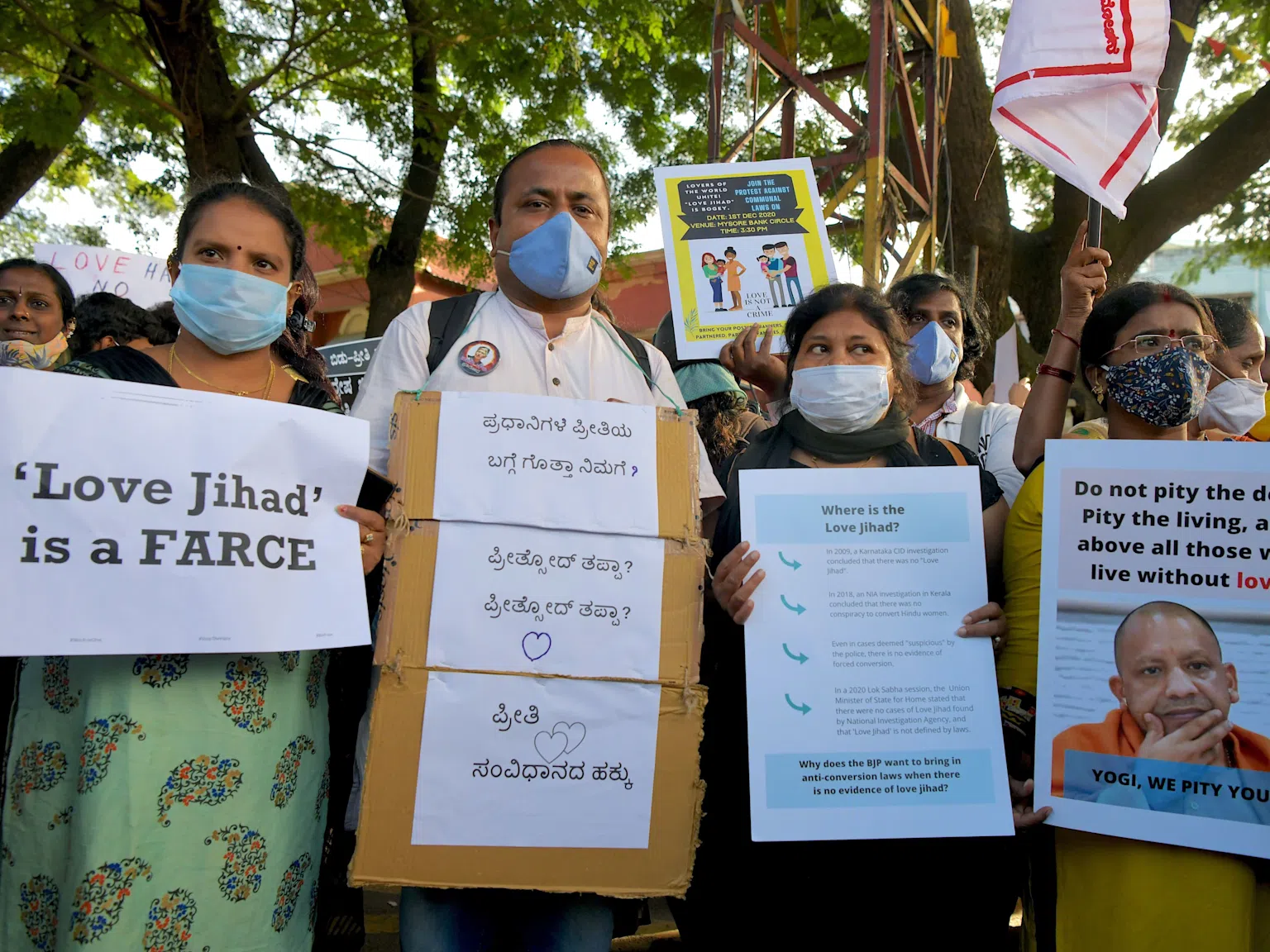
Protesters in India hold placards denouncing the concept of ‘Love Jihad’ and opposing anti-conversion laws npr
Legal Arguments Against the Laws
Advocate Vrinda Grover representing the National Federation of Indian Women highlighted discriminatory impacts. “These laws disproportionately affect women and minorities,” she argued convincingly. Additionally, the legislation enables systematic harassment of interfaith couples.
The petition challenges vague definitions of “allurement” and “inducement” within these statutes. Furthermore, anti-conversion laws reverse the fundamental principle of presumed innocence. Consequently, defendants must prove their conversions were voluntary and genuine.
Constitutional Framework Under Scrutiny
Article 25 of the Indian Constitution guarantees freedom of conscience and religion. However, anti-conversion laws effectively restrict these fundamental rights through procedural barriers. Additionally, they require government approval for personal religious decisions.
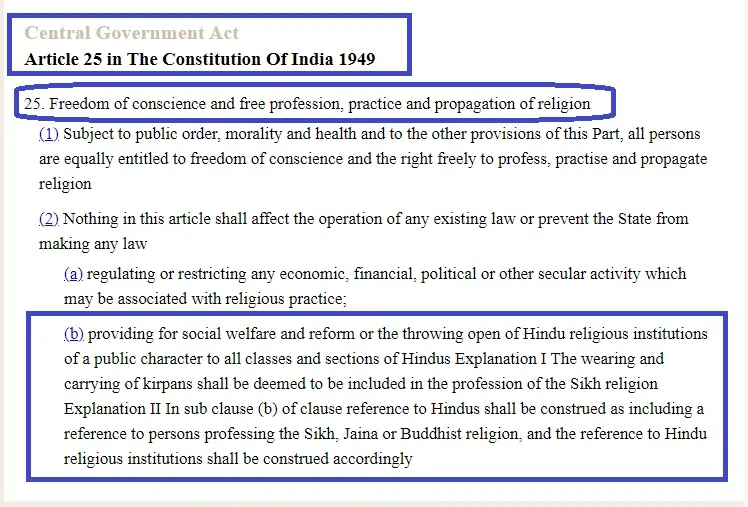
Article 25 of the Indian Constitution guarantees freedom of conscience and the right to freely practice and propagate religion subject to public order, morality, and health x
The 1977 Supreme Court judgment in Rev. Stainislaus v. State of Madhya Pradesh remains relevant. Nevertheless, modern jurisprudence emphasizes individual autonomy and privacy rights significantly. Therefore, current anti-conversion laws face stronger constitutional challenges than earlier versions.
Privacy Rights Versus Public Order
The 2017 Puttaswamy judgment established privacy as a fundamental right under Article 21. Furthermore, it encompasses personal autonomy and freedom of choice in fundamental decisions. However, states argue anti-conversion laws serve legitimate public order interests.
This creates a direct conflict between individual liberty and state regulatory power. Additionally, courts must balance competing constitutional principles and social realities. Consequently, the Supreme Court faces complex jurisprudential questions regarding religious freedom.
International Scrutiny and Criticism
The United States Commission on International Religious Freedom criticized India’s anti-conversion laws extensively. Furthermore, international observers note these statutes primarily target Christianity and Islam. Additionally, human rights organizations document systematic misuse of these provisions.
“Laws criminalizing conversion as severe as PMLA and TADA,” petitioners argued effectively. Moreover, bail conditions mirror those found in terrorism and money laundering cases. Therefore, anti-conversion laws create disproportionate restrictions on fundamental freedoms.
Growing Opposition and Protests
Civil society organizations increasingly challenge these discriminatory statutes through legal and advocacy efforts. Furthermore, interfaith couples face unprecedented scrutiny and harassment under current provisions. Additionally, religious minorities experience heightened vulnerability and persecution.
The Karnataka High Court’s recent judgment in Mustafa v. State of Karnataka established important precedents. However, anti-conversion laws continue enabling vigilante groups to harass innocent citizens. Subsequently, the legal landscape remains complex and evolving.
Looking Ahead: Supreme Court’s Role
The Supreme Court’s intervention provides hope for constitutional clarity on religious freedom issues. Furthermore, a uniform interpretation could prevent arbitrary enforcement across different states. Additionally, the court must balance competing interests while protecting fundamental rights.
Chief Justice Gavai appointed nodal counsel to streamline proceedings and ensure comprehensive arguments. Moreover, the six-week timeline allows thorough preparation for this crucial constitutional challenge. Therefore, anti-conversion laws will receive definitive judicial scrutiny soon.
The outcome will significantly impact religious minorities, interfaith couples, and constitutional jurisprudence nationwide. Furthermore, international observers closely monitor India’s commitment to secular democratic principles. Ultimately, the Supreme Court’s decision will shape religious freedom discourse for generations.