




Support for Palestinian statehood reaches unprecedented heights across international forums. Meanwhile, diplomatic pressure intensifies as major Western nations prepare recognition announcements. Furthermore, legal victories strengthen Palestine’s position on the global stage.
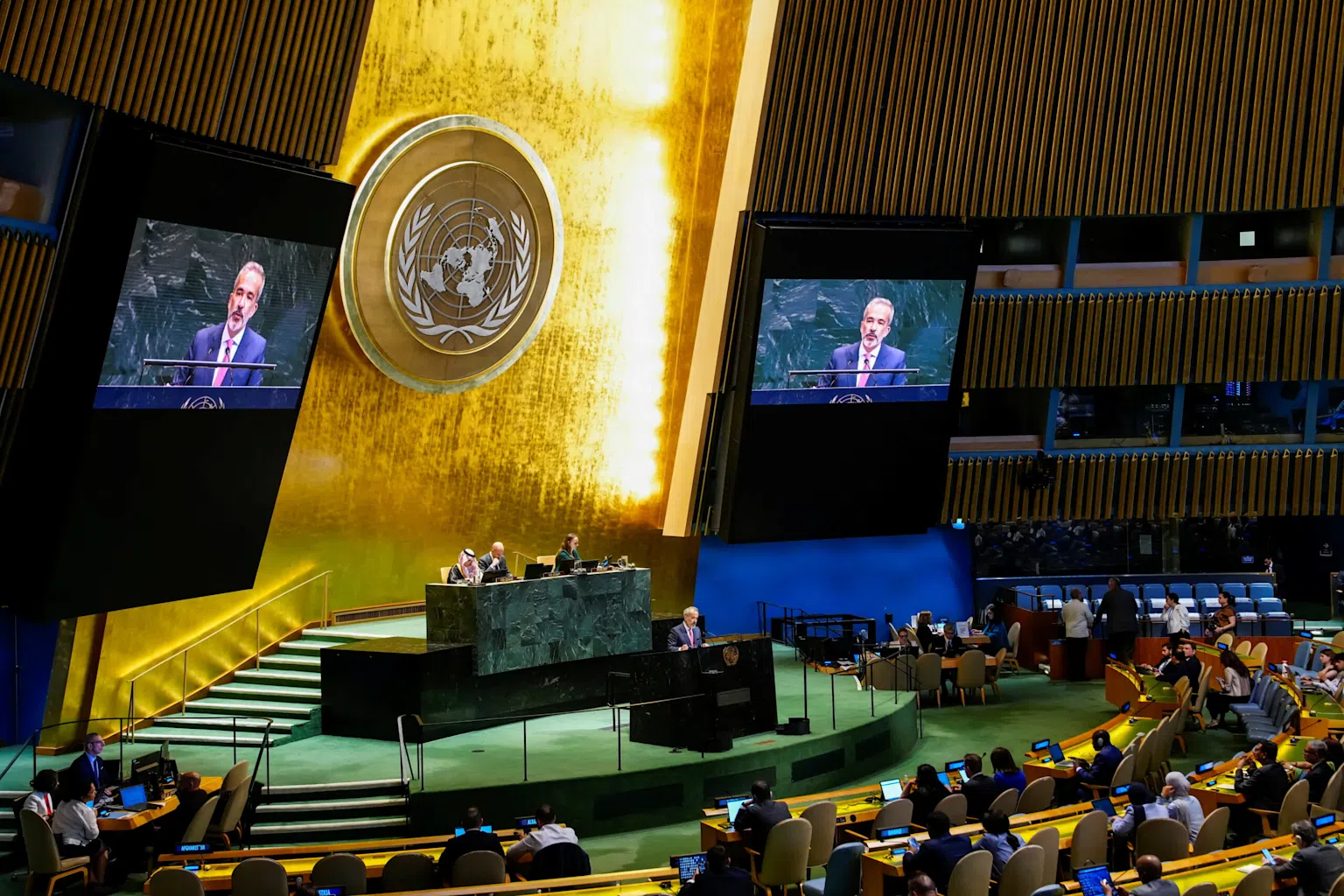
United Nations General Assembly Hall during a high-level diplomatic session on statehood recognition
Rising Tide of International Recognition
France became the groundbreaking G7 nation announcing Palestinian state recognition in July 2025. Subsequently, the United Kingdom, Canada, Australia, and Malta followed with similar commitments. Notably, these announcements represent a significant shift in Western diplomatic strategy.
“Our position reflects our commitment to efforts for a lasting peace in the Middle East,” stated Malta’s Prime Minister Robert Abela
European momentum continues building as additional nations consider recognition. Consequently, Ireland, Spain, and Norway already formalized their acknowledgment earlier in 2024. Moreover, Belgium, Portugal, and other EU members debate similar measures.
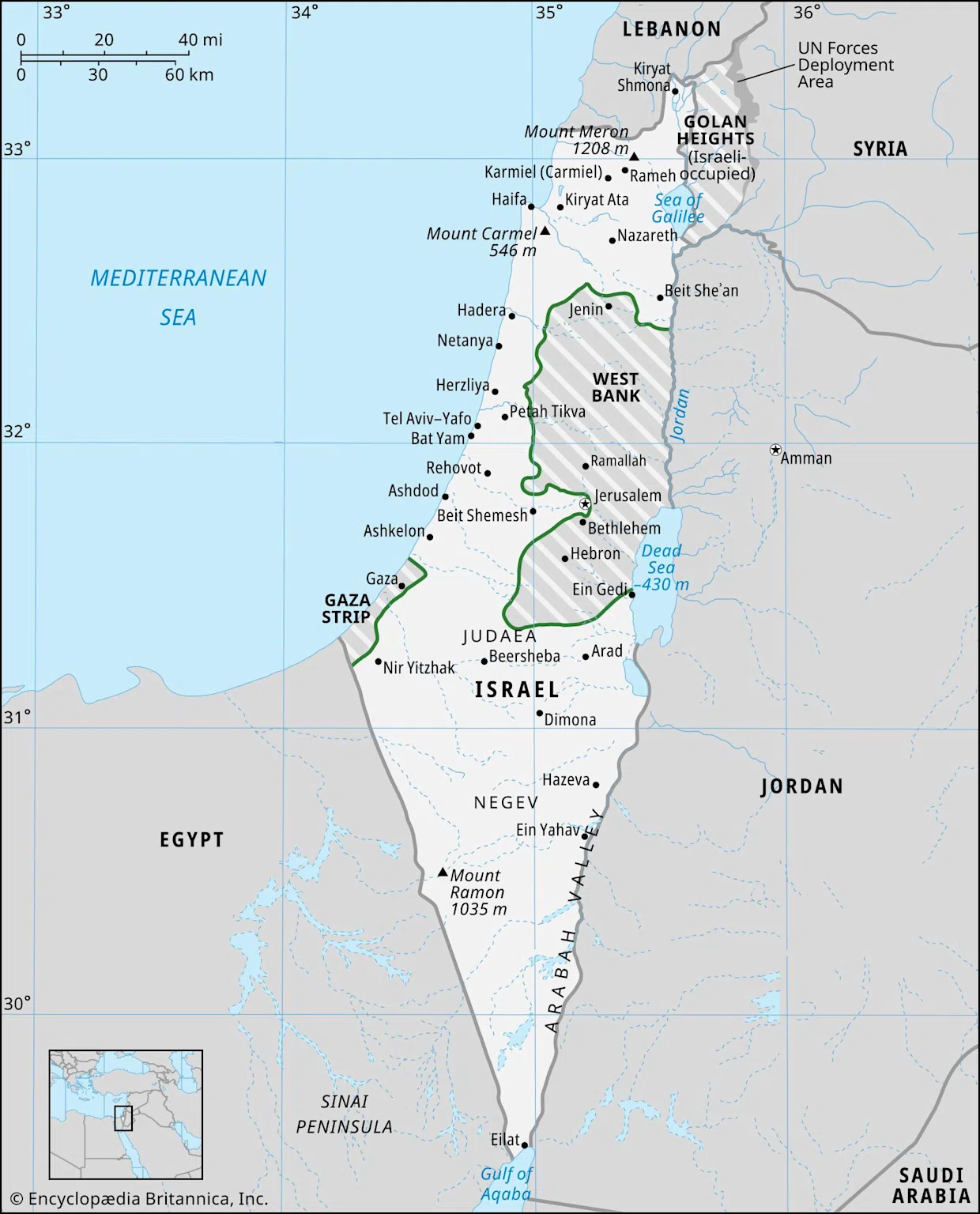
Political map showing Israel, Gaza Strip, West Bank, and neighboring countries relevant to the Israeli-Palestinian conflict and statehood discussions
Currently, 147 out of 193 UN member states recognize Palestinian statehood. Nevertheless, major powers including the United States, Germany, Italy, and Japan remain holdouts. However, growing international pressure challenges traditional opposition to Palestinian independence.
Legal Foundations Strengthen Palestine’s Case
The International Court of Justice delivered a landmark ruling in July 2024. Specifically, the court declared Israel’s occupation of Palestinian territories unlawful under international law. Additionally, the ruling mandated Israel’s withdrawal and reparations for Palestinian losses.
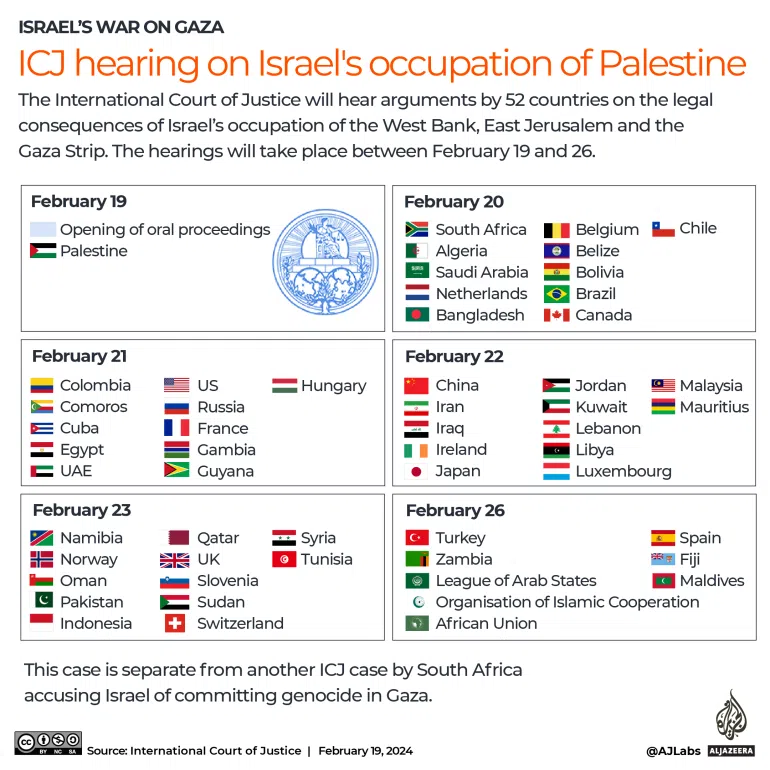
Schedule and participating countries for the ICJ hearings on Israel’s occupation of Palestine, February 19-26, 2024
This advisory opinion carries significant political weight despite being non-binding. Therefore, countries increasingly cite this ruling when announcing recognition decisions. Furthermore, the ICJ emphasized Palestinian self-determination rights and condemned discriminatory practices.
“The Israeli government has allowed a catastrophe to unfold in Gaza,” declared Canadian Prime Minister Mark Carney.
United Nations General Assembly overwhelmingly endorsed the ICJ opinion in September 2024. Specifically, 124 countries voted for implementation while only 14 opposed. Accordingly, this demonstrates unprecedented international consensus supporting Palestinian rights.
Humanitarian Crisis Drives Recognition Momentum
Gaza’s devastating humanitarian situation catalyzes diplomatic action worldwide. Indeed, over 60,000 Palestinians have died since October 2023. Additionally, UN agencies warn of imminent famine conditions throughout the territory.
Western governments face mounting domestic pressure from constituents demanding action. Consequently, political leaders respond by announcing Palestinian state recognition. Furthermore, Muslim populations in countries like France and Canada influence government decisions.
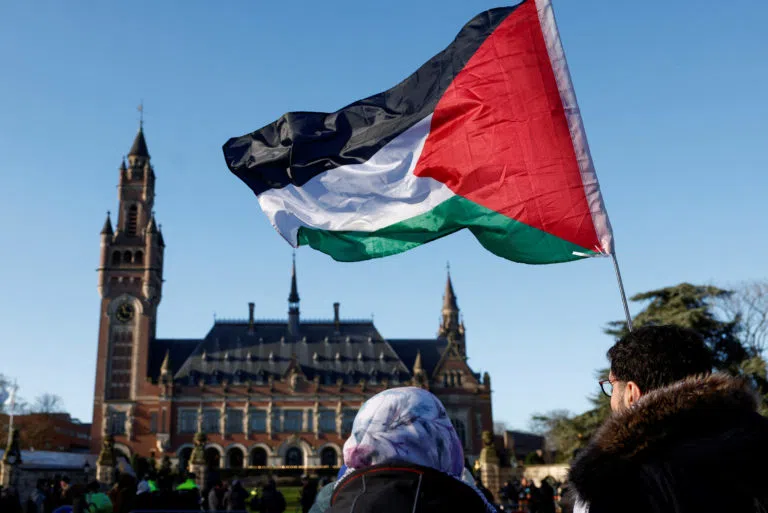
Palestinian flag flies in front of the International Court of Justice building during hearings on the legality of Israeli occupation of Palestinian territories
Conditional Recognition Creates New Framework
Several nations attach specific conditions to their recognition announcements. For instance, Canada requires Palestinian Authority democratic reforms and elections by 2026. Similarly, the UK demands Israeli ceasefire commitments before September recognition.
These conditions typically exclude Hamas from future Palestinian governance. Moreover, countries insist on Palestinian state demilitarization. Nevertheless, critics argue such requirements undermine democratic processes.
“Hamas must disarm and play no role in future governance of Palestine,” emphasized Prime Minister Carney.
Palestinian Authority President Mahmoud Abbas welcomed these conditional recognitions. However, Abbas faces significant popularity challenges among Palestinian populations. Therefore, future elections remain uncertain despite international pressure.
Israeli Opposition and US Isolation
Israeli Prime Minister Benjamin Netanyahu vehemently opposes Palestinian statehood recognition. Specifically, he characterizes such moves as “rewards for terrorism”. Additionally, Netanyahu argues Palestinian statehood threatens Israeli security.
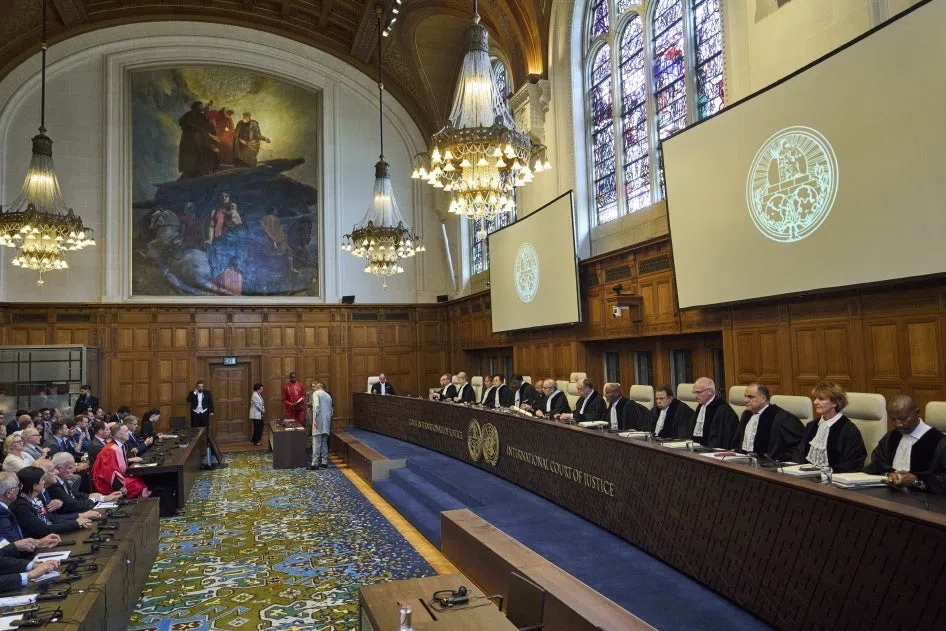
International Court of Justice judges preside over a session in The Hague chamber, underscoring global legal proceedings on international disputes
Israel’s foreign ministry condemns each recognition announcement. Furthermore, Israeli officials threaten diplomatic consequences for recognizing nations. However, international isolation increases as more countries support Palestinian statehood.
President Donald Trump remains the sole major ally opposing recognition. Moreover, Trump threatens trade retaliation against Canada following their announcement. Nevertheless, American public opinion shows growing Palestinian statehood support.
UN General Assembly September Showdown
September 2025 UN General Assembly promises historic Palestinian statehood momentum. France, UK, Canada, Australia, and Malta plan formal recognition announcements. Consequently, diplomatic pressure on Israel reaches unprecedented levels.
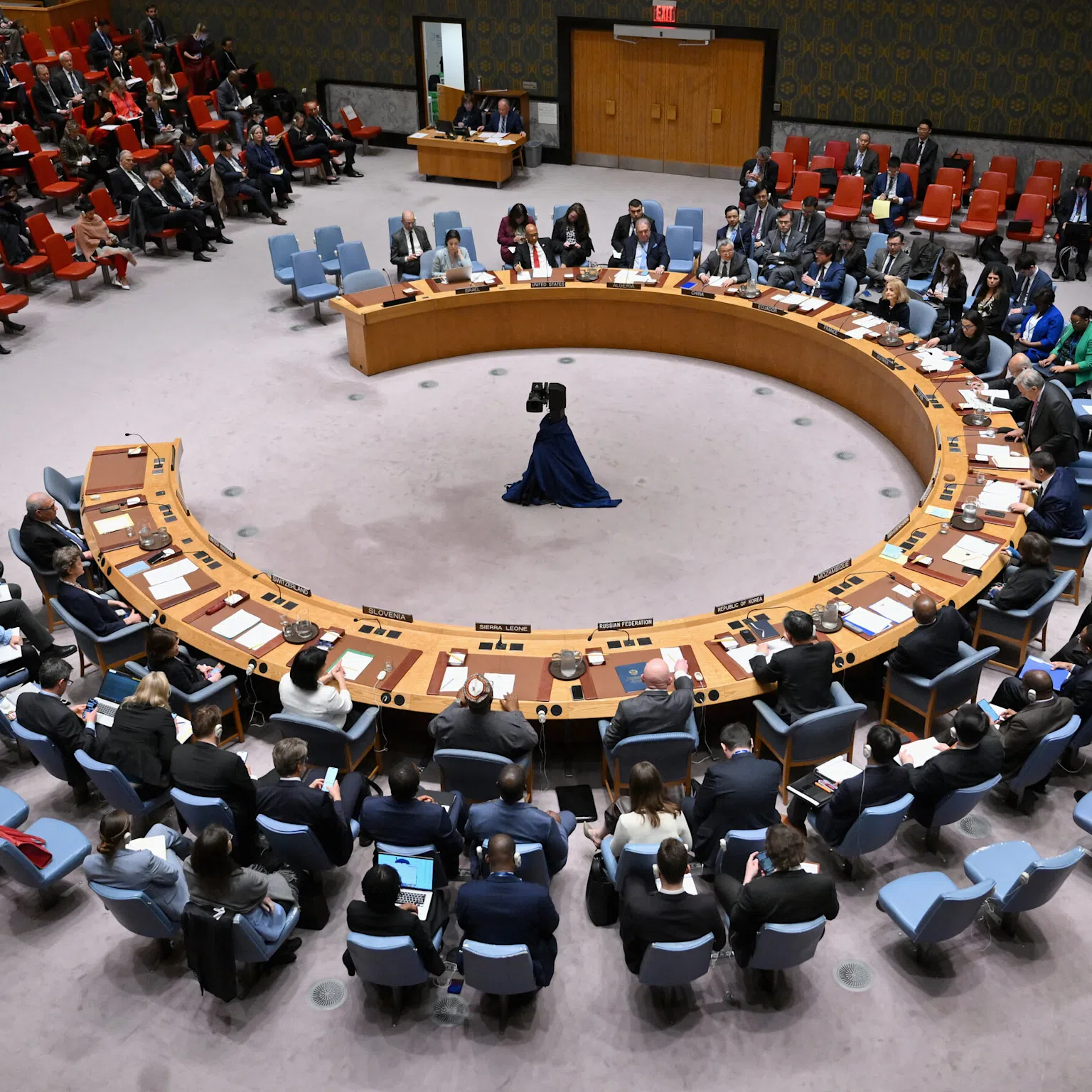
UN Security Council meeting during discussions on Palestine statehood
Palestine maintains “non-member observer state” status at the United Nations. However, previous membership attempts faced US Security Council vetoes. Therefore, formal UN membership remains blocked despite General Assembly support.
Palestinian diplomatic strategy focuses on bilateral recognition rather than UN membership. Indeed, widespread international recognition strengthens legal positions and diplomatic leverage. Furthermore, recognition enables Palestinian International Criminal Court participation.
Challenges to Two-State Solution Viability
Settlement expansion throughout the West Bank complicates future borders. Currently, over 700,000 Israeli settlers live in occupied territories. Moreover, Netanyahu’s government actively promotes additional settlement construction.
Palestinian political divisions between Hamas and Fatah create governance challenges. Gaza remains under Hamas control while Fatah governs West Bank areas. Additionally, neither territory conducted elections since 2006.
Public opinion polls reveal limited support for two-state solutions. Only 26% of Israelis support Palestinian statehood alongside Israel. Similarly, Palestinian support remains mixed at approximately 40%.
Economic Implications of Recognition
International recognition enables Palestinian treaty participation and trade agreements. Therefore, recognized statehood potentially improves economic development opportunities. Furthermore, legal protections strengthen Palestinian resource rights.
European Union members consider trade sanctions against Israeli settlements. Specifically, the ICJ ruling obligates states to avoid assistance maintaining occupation. Consequently, economic pressure complements diplomatic recognition efforts.
Regional Dynamics and Arab World Response
Arab League nations demonstrate unprecedented unity supporting Palestinian statehood. However, recent statements demand Hamas disarmament and power relinquishment. Moreover, Gulf states link Israeli normalization to Palestinian state creation.
Saudi Arabia maintains Palestinian statehood as prerequisite for Israel relations. Therefore, Abraham Accords expansion depends on Palestinian independence. Furthermore, regional stability requires resolving Palestinian territorial claims.
Future Prospects and International Law
Growing international consensus strengthens Palestinian legal positions globally. ICJ rulings establish Israeli occupation illegality under international law. Additionally, UN resolutions demand Israeli withdrawal within specified timeframes.
However, enforcement mechanisms remain limited without Security Council action. Therefore, bilateral recognition serves as alternative pressure mechanism. Nevertheless, sustained international coordination proves essential for meaningful progress.
Palestinian statehood recognition represents both symbolic victory and practical advancement. International law, humanitarian concerns, and diplomatic momentum converge supporting Palestinian independence. Yet implementation challenges require continued global cooperation and political will.