




Date: October 6, 2024
Place: New Delhi, Supreme Court of India
Supreme Court Demands Government Response
The Supreme Court issued notice to the Centre and Ladakh administration on a habeas corpus plea challenging Sonam Wangchuk’s detention challenge. His wife, Gitanjali J Angmo, argues that his detention under the National Security Act is illegal and seeks his immediate release. The bench of Justices Aravind Kumar and N V Anjaria refused to pass interim orders on disclosing detention grounds and listed the matter for hearing on October 14, 2024.
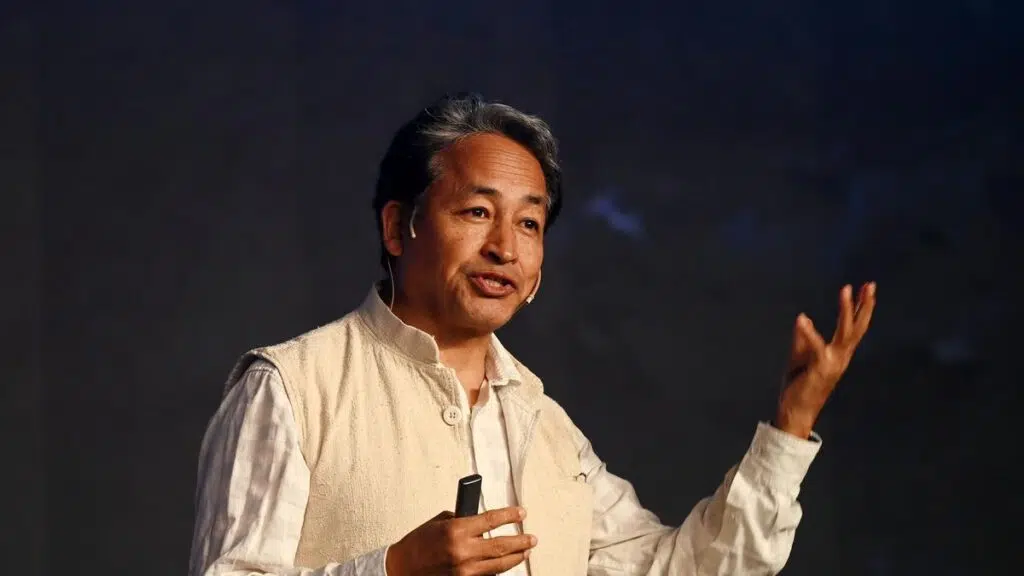
Background of the Detention Challenge
Wangchuk was detained on September 26 following violent protests in Leh that claimed four lives in police firing and injured about fifty people. His detention challenge centers on his speeches during the protests demanding Ladakh statehood. Authorities allege that his remarks threatened public order, while his wife maintains that his activism was peaceful and legitimate.
Legal Arguments in Habeas Corpus Plea
Senior Advocate Kapil Sibal, representing Gitanjali Angmo, pressed for the immediate supply of detention grounds to the family. He argued that Sunshine Court precedents require authorities to furnish those grounds not only to the detainee but also to close relatives. Solicitor General Tushar Mehta countered that the government had already shared all necessary information with Wangchuk himself. The petition labels the detention as a violation of fundamental rights and accuses the administration of a malicious campaign against the activist.
“Along with the illegal detention of Shri Sonam Wangchuk, a systematic, untruthful and false campaign has been unleashed against him and his colleagues.”
Wangchuk’s Stand and Hunger Strike
From Jodhpur Central Jail, Wangchuk launched a hunger strike and vowed to stay in custody until an independent judicial inquiry is ordered into the police firing deaths. His letter urges Ladakhis to continue peaceful protest. The detention challenge has galvanized local communities who view him as a pioneering voice for sustainable development and statehood demands.
National Security Act Provisions
Under the NSA, authorities can detain individuals for up to twelve months without formal charges. Initial orders apply for three months, extendable by advisory board review. The law mandates that detention grounds be communicated within fifteen days and cases be referred to advisory boards within three weeks. Critics claim the NSA’s broad scope risks misuse against nonviolent dissenters, as seen in this detention challenge.
Government’s Defense
The Centre and Ladakh UT argue that Wangchuk’s speeches fueled the Leh violence, resulting in deaths and property damage. They also point to alleged financial irregularities in his educational institute. His organization’s foreign funding registration faces cancellation under regulatory provisions, indicating a wider crackdown beyond protest-related charges.
Impact on Environmental Activism
Sonam Wangchuk’s detention challenge spotlights tensions between national security concerns and environmental advocacy. Criminalizing climate activism could deter legitimate campaigns for ecological preservation. Conversely, authorities assert that public order must prevail over protests that spiral into violence.
Legal Community and Human Rights Response
Bar associations and rights groups worry that this detention challenge may set dangerous precedents for habeas corpus access. They demand independent judicial oversight to prevent preventive detention misuse. Lawyers emphasize that families must know the grounds of detention to safeguard constitutional guarantees.
Key Dates in the Detention Challenge
- September 24, 2024: Leh protests turn violent, four civilians killed.
- September 26, 2024: Wangchuk detained under NSA and shifted to Jodhpur Central Jail.
- October 2, 2024: Gitanjali Angmo files habeas corpus plea in Supreme Court.
- October 14, 2024: Next hearing on Wangchuk’s detention challenge.
Community and International Reaction
Ladakhi civil society views Wangchuk as a hero of sustainable innovation and education reform. Solidarity rallies and social media campaigns demand his release. International observers note that his detention challenge could affect India’s global image on human rights and climate activism.
What to Expect Next
At the October 14 hearing, the Supreme Court will likely assess whether the NSA application in this detention challenge meets legal standards. Judges may scrutinize evidence linking Wangchuk to violence and examine whether withholding detention grounds from his family was lawful. The outcome could define how preventive detentions affect future protest movements.