




Recent events have shaken the serene landscapes of Ladakh. Peaceful protests have turned volatile. The streets of Leh now tell a story of deep-seated anxiety. This turmoil brings a critical question to the forefront. What is the struggle for Ladakh’s identity and future all about? Years of deferred hopes have fueled this powerful movement. The region’s unique profile reveals a complex story. It is a story of people, identity, and a fragile economy. This data-driven look unpacks the heart of the crisis.
“This fight has moved from seeking distance from Kashmir to negotiating dignity within the Indian Union.”
The People: A Land of Diverse Faiths
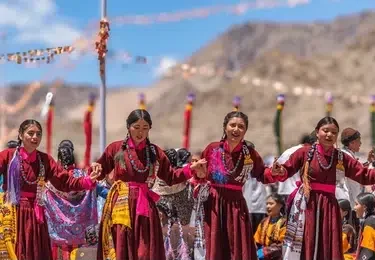
Ladakh is home to a diverse population. Roughly 300,000 people reside here. The region presents a unique demographic fabric. It is primarily composed of two major religious groups. Muslims, who are mainly Shia, make up about 46% of the population. Buddhists, largely of the Tibetan tradition, constitute around 40%. Hindus and other communities form the remainder. This blend of cultures gives Ladakh its distinct character.
Interestingly, these communities have found common ground. The Leh district is predominantly Buddhist. In contrast, the Kargil district has a Muslim majority. Historically, their priorities sometimes differed. However, the current agitation sees a united front. Leaders from both Leh and Kargil are now championing the same cause. They jointly demand constitutional protections. This unity underscores the shared concern for Ladakh’s identity and future. The people fear that without safeguards, their unique culture and land are at risk.
An Economy at a Crossroads
Ladakh’s economy is undergoing a dramatic transformation. For centuries, it relied on pastoralism and agriculture. Hardy crops like barley and wheat grew in irrigated valley plots. Yak herding and the prized Kashmir goat, source of cashmere, were vital. This traditional, self-sufficient economy shaped Ladakhi society. However, recent decades have brought significant change.
Tourism has emerged as a powerful economic engine. Since the 1970s, it has grown exponentially. By some estimates, tourism now accounts for 50% of the region’s GNP. While it creates jobs, this boom is a double-edged sword. The influx of visitors strains scarce resources, especially water. It also generates waste, threatening the fragile ecosystem.
Furthermore, this economic shift has not solved all problems. A severe unemployment crisis grips the region. Graduate unemployment stands at a staggering 26.5%. This figure is more than double the national average in India. This lack of opportunity is a primary source of frustration for the youth. It is a key driver behind the recent protests. Young Ladakhis feel that the current economic model is failing them. They believe it jeopardizes Ladakh’s identity and future.
The Core Demand: A Shield for Identity
The protests are not just about jobs. They are about existence. The central demand is for constitutional safeguards. Protestors want full statehood for Ladakh. They also demand inclusion in the Sixth Schedule of the Indian Constitution. This schedule grants special autonomy and protection to tribal areas. Given that over 97% of Ladakh’s population is tribal, this demand has deep resonance.
These safeguards would provide a crucial shield. They would protect local land from outside ownership. They would reserve jobs for the local population. Moreover, they would empower local bodies to preserve their distinct cultural identity. After Ladakh became a Union Territory in 2019, many celebrated. They saw it as freedom from the political dominance of Kashmir.
However, anxieties soon replaced the initial euphoria. Residents felt they lacked representation without a legislature. Decisions were being made directly by the central government. This created fears of losing control over their own destiny. The fight for the Sixth Schedule is thus a fight for self-determination. It is a fight for Ladakh’s identity and future.
“The deaths are rooted in years of waiting, in the belief that appeals for recognition…are more than political talking points; they are existential.”
Delhi’s Response: A Balancing Act
The central government is not deaf to the situation. It has engaged in multiple rounds of talks with Ladakhi leaders. In response to the growing unrest, several measures have been announced. These steps attempt to address the core grievances. They represent a delicate balancing act. The government aims to promote development while pacifying local concerns.
One of the most significant moves is the Union Territory of Ladakh Reservation (Amendment) Regulation, 2025. This new rule dramatically increases job reservations for locals. It reserves 85% of government jobs for residents. This is a substantial increase from the previous 50% cap. The government has also firmed up domicile certificate rules to define who qualifies as a local.
Despite these measures, the agitation continues. Many leaders and protestors see these steps as insufficient. They argue that administrative orders can be changed. Only constitutional safeguards like the Sixth Schedule can offer permanent protection. Therefore, the protests are likely to persist. The movement highlights a fundamental question for the region. How can it balance development with the preservation of Ladakh’s identity and future? All eyes are on the upcoming talks in October. They will determine the path forward for this unique Himalayan region and its people, who are fiercely protective of Ladakh’s identity and future.