



The recent Strategic Mutual Defense Agreement between Saudi Arabia and Pakistan marks a significant shift in regional alliances. This arrangement seems like a flawed security strategy that favors appearances over real strength. With apparent support from Washington, it sparks concerns about stability in the Middle East and South Asia.
The Pact’s Shaky Foundations
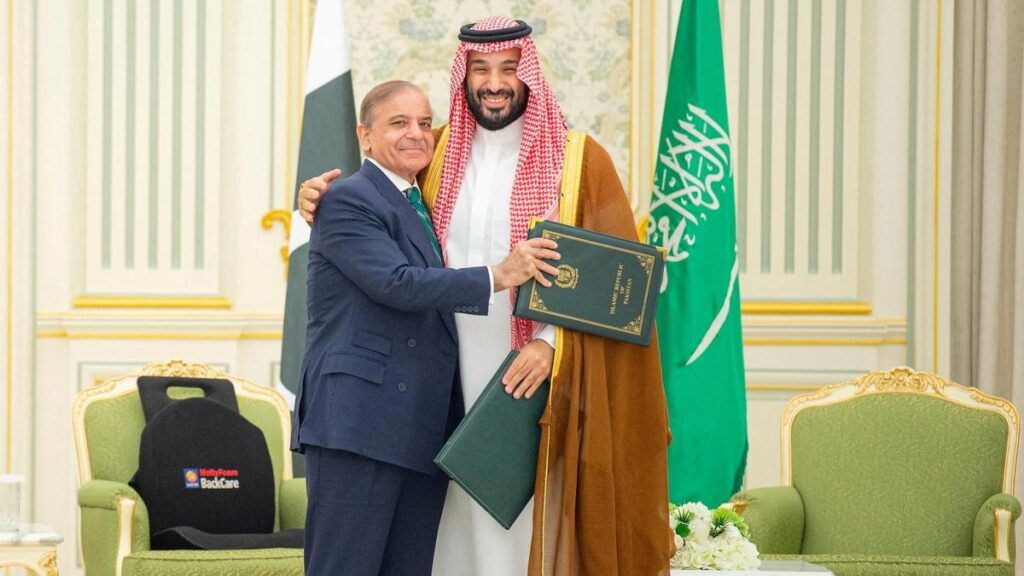
The agreement, signed on September 17, 2025, states that an attack on one nation counts as an attack on both. Experts view this flawed security strategy as missing solid plans for action. The timing links closely to Israel’s recent strike on Qatar.
Many see the deal as symbolic. Pakistan’s defense focus stays on India, complicating Middle East involvement. It builds on old ties without fresh power.
“This defensive pact covers all military aspects,” a senior Saudi official noted.
Nuclear Sharing Sparks Major Risks
Pakistan’s defense minister stated nuclear options would aid Saudi Arabia. This extends Pakistan’s nuclear reach beyond India for the first time. Such sharing brings huge dangers to a tense region.
Pakistan holds about 170 nuclear warheads, able to hit distant targets like Israel. This flawed security strategy links Riyadh’s wealth to Islamabad’s nukes. It might start an arms race with Iran and others.
However, nuclear politics grow risky. Sharing could upset global non-proliferation efforts. Nations watch closely as tensions rise.
Washington’s Quiet Approval Shows Double Standards
The US response stays low-key, hinting at hidden support for this flawed security strategy. The Trump team seems to hand off Gulf protection to Pakistan. This breaks from past US promises in the area.
Former leaders worry about Pakistan’s wider nuclear role. The timing points to countering Iran without direct US action. Yet this approach might fail if conflicts grow.
Moreover, US strategy looks inconsistent. Outsourcing security avoids costs but risks control. Allies question long-term plans.
Broader Effects on Regional Peace
India quickly voiced concerns over security impacts. Iran could feel surrounded with Saudi gaining nuclear backing. This flawed security strategy upsets power balances in two regions.
Tensions between India and Pakistan already run high after their May clash. Saudi ties might pull Gulf nations into South Asian fights. The deal could mix nuclear issues across areas.
Additionally, escalation dangers increase. Small incidents might grow into bigger crises. Leaders must handle ties carefully.
Money Drives the Deal Over True Defense
Saudi Arabia gave Pakistan a $3 billion loan, showing the deal’s business side. Pakistan’s weak economy relies on Saudi cash. Thus the pact seems more about money than real teamwork.
This setup leaves Pakistan open to Saudi influence. The kingdom might use aid to shape choices. So this flawed security strategy hurts Pakistan’s freedom while giving little defense gain.
Nevertheless, money ties create weak spots. Dependence can lead to forced moves in foreign affairs. True partnerships need equal ground.
Show Over Substance in the Agreement
The Riyadh signing featured F-15 jets and big crowds. Social media buzzed with pride in both lands. But this flawed security strategy stresses looks over real worth.
Pakistan’s forces spread thin across borders, limiting Gulf help. The pact skips clear steps for crises. It gives mental boost more than actual shield.
Furthermore, optics hide flaws. Grand events mask missing details. Real strategy needs solid plans.
A Deeper Look at Historical Context
To understand better, consider past Saudi-Pakistan links. They share military training and economic aid for decades. This new deal builds on that base, yet adds nuclear angles.
However, history shows such pacts often stay paper promises. Without strong enforcement, they fail in real tests. Leaders must weigh risks carefully.
Moreover, regional powers like Turkey and Egypt watch closely. Their responses could reshape alliances. Balance requires smart diplomacy.
Potential Fallout for Global Relations
This agreement affects more than just two nations. It pulls in superpowers and neighbors alike. The US blessing suggests shifting global roles.
China, as Pakistan’s close ally, might see opportunities or threats. Russia could use tensions for its gains. International talks grow complex.
Additionally, economic impacts spread wide. Oil markets react to Gulf stability fears. Trade routes face new risks.
Challenges in Implementation
Putting the pact into practice brings hurdles. Joint exercises need planning and trust. Communication lines must stay open.
However, cultural differences could slow progress. Military systems differ between nations. Building unity takes time and effort.
Furthermore, public opinion matters. Citizens in both countries expect real benefits. Leaders face pressure to deliver.
Alternatives to This Approach
Instead of this flawed security strategy, diplomacy might work better. Talks with Iran could ease tensions. Multilateral forums offer neutral grounds.
Moreover, investing in peace initiatives pays off long-term. Education and trade build stronger bonds than arms. Sustainable security comes from understanding.
Nevertheless, current paths show quick fixes. True change needs bold vision. Leaders should aim higher.
Voices from Experts and Locals
Analysts debate the pact’s true value. Some call it a game-changer, others a mere show. Local views mix hope with doubt.
“Nuclear sharing changes everything,” one strategist warned.
People in Pakistan see economic boosts. Saudis hope for stronger defense. Yet fears of wider conflicts linger.
Looking Ahead: Uncertain Future
The deal’s long-term effects remain unclear. It could stabilize or spark chaos. Monitoring developments stays key.
However, one thing stands clear: this flawed security strategy tests regional limits. Wise choices now shape tomorrow’s peace.
In conclusion, the Pakistan-Saudi defense pact acts as a questionable move in complex geopolitics. It mixes defense with economics in risky ways. While aiming for strength, it might weaken overall stability. Leaders must navigate carefully to avoid pitfalls.